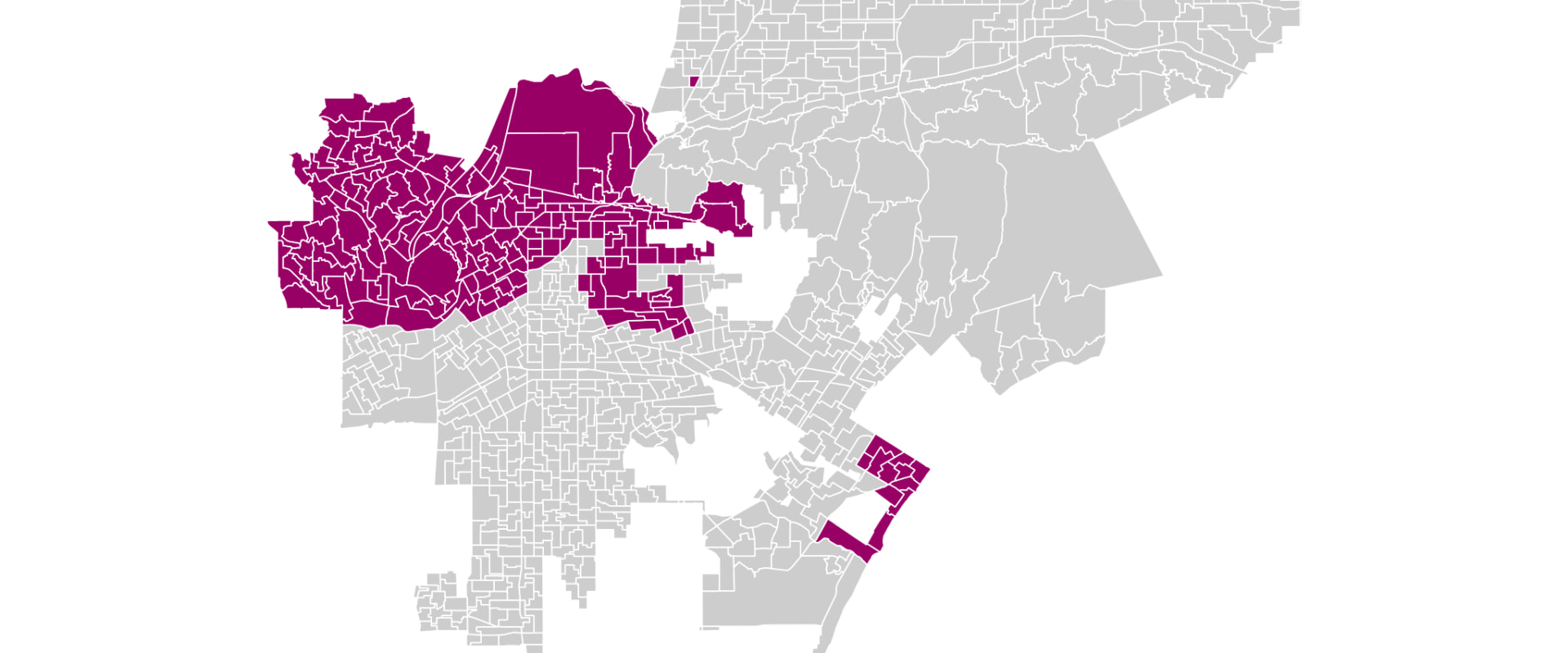
In a region as large and diverse as Los Angeles County, California, effective political communication depends on genuine connection. With more than 10 million residents spread across urban centers, suburban neighborhoods, and rural communities, local politicians must work diligently to navigate the Complex Political Landscape of Los Angeles County, bridging cultural, linguistic, and economic divides. Staying connected with constituents means more than giving speeches or issuing press releases—it requires active listening, transparent dialogue, and visible community engagement. In Los Angeles County, elected officials have embraced a wide range of strategies, from traditional town halls to cutting-edge digital platforms, to maintain a strong presence in the lives of the people they serve. In a region as large and diverse as Los Angeles County, California, effective political communication depends on genuine connection. With more than 10 million residents spread across urban centers, suburban neighborhoods, and rural communities, local politicians must work diligently to navigate the Complex Political Landscape of Los Angeles County, bridging cultural, linguistic, and economic divides. Staying connected with constituents means more than giving speeches or issuing press releases—it requires active listening, transparent dialogue, and visible community engagement. In Los Angeles County, elected officials have embraced a wide range of strategies, from traditional town halls to cutting-edge digital platforms, to maintain a strong presence in the lives of the people they serve.
The Role of Community Engagement
Local engagement remains the foundation of constituent communication. Many Los Angeles County politicians regularly attend neighborhood council meetings, school events, and cultural festivals to maintain a direct connection with residents. These interactions help officials better understand local issues such as housing affordability, public safety, and environmental sustainability. Community outreach events—like food drives, health fairs, and volunteer clean-ups—provide opportunities for genuine conversation between leaders and constituents. Even small, everyday connections matter; an official stopping by a local café or chatting with someone searching for a "dentist near me" demonstrates that community engagement isn’t confined to formal events. It’s about accessibility, empathy, and being present in shared spaces.
Using Technology to Build Transparency and Trust
In the digital age, politicians in Los Angeles County have increasingly turned to technology to communicate with constituents in real time. Social media platforms such as X (formerly Twitter), Instagram, and Facebook allow officials to share policy updates, announce public meetings, and respond directly to residents’ concerns. Livestreamed Q&A sessions and virtual town halls have become especially popular since the COVID-19 pandemic, offering a convenient way for people to participate in civic discussions without leaving home. Official websites now provide easy access to public records, service requests, and community calendars, reinforcing transparency and accountability. Email newsletters and text alerts further keep residents informed about legislative developments and emergency updates. By combining technology with a personal touch, politicians can build trust and ensure that their messages reach all segments of the population.
Prioritizing Representation and Inclusivity
Los Angeles County’s diversity is both a challenge and a strength. Elected officials must navigate a mosaic of languages, cultures, and socioeconomic backgrounds to ensure every community feels represented. Many offices employ multilingual staff and produce outreach materials in multiple languages, reflecting the county’s global character. Policies addressing immigrant rights, affordable housing, and educational equity are often shaped through collaboration with grassroots organizations and advocacy groups. Additionally, partnerships with schools, nonprofits, and local businesses create a network of shared responsibility. These inclusive efforts signal that political representation is not limited to elections—it is an ongoing relationship built on respect and mutual understanding.
Conclusion
Staying in touch with constituents in Los Angeles County is an ongoing, dynamic process that blends face-to-face connection with digital engagement. Politicians who succeed at this balance understand that effective leadership is rooted in listening, accessibility, and accountability. Whether through community forums, online outreach, or personal interactions, local officials strive to maintain trust and transparency across one of the most complex and diverse regions in the nation. As communication tools continue to evolve, the most successful leaders will be those who use them to strengthen—not replace—the human connection at the heart of public service. In Los Angeles County, this approach ensures that every resident, regardless of background or neighborhood, has a voice in shaping the policies that affect their lives.